
1. What shape is the roof in?
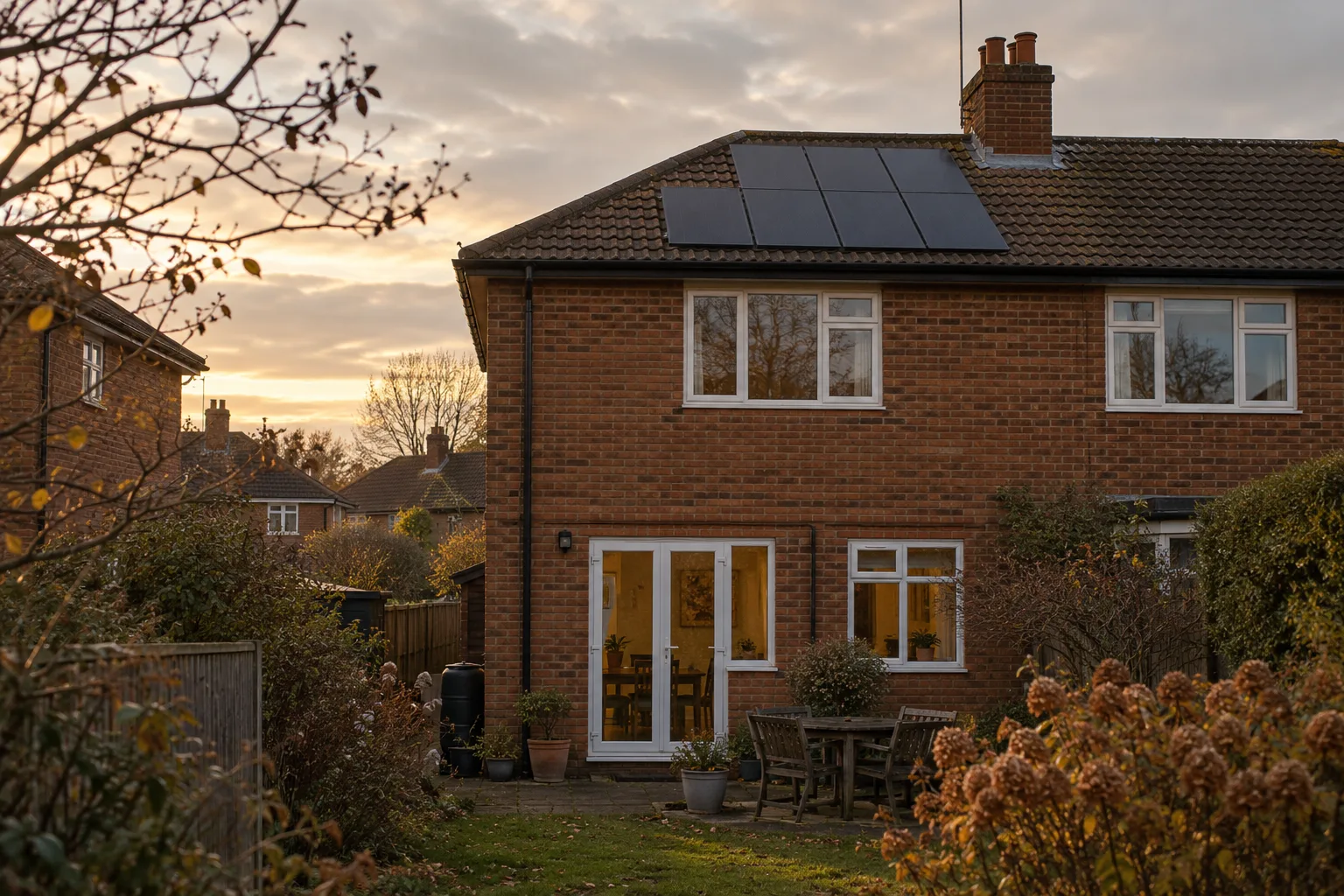
It’s tempting to start with panel prices. First, though, have a think about the roof they’ll sit on. How old is it? Are there loose tiles or repairs you’ve been putting off?
Tell the surveyor about anything you already know. If the roof needs work, it’s better to discuss it before panels are fitted. They’ll also need to look at its direction, the space available and shade from trees, chimneys or nearby buildings.
You don’t need to climb up and check any of this yourself. Notes and photos taken safely from the ground are a useful start.
2. When do you use electricity?
Find a recent bill, or a year’s usage if you have it. Then think about a normal weekday. Is someone home during the day, or does most of the cooking, washing and charging happen in the evening?
Solar produces electricity in daylight, so the timing matters. Two houses using the same amount over a year may get different use out of the same solar system.
If you’re not sure where to find your annual usage, bring the bills you have. There’s no need to arrive with a spreadsheet.
3. Is anything likely to change?
Maybe you’re looking at an electric car. Maybe someone’s about to start working from home. An extension or a change in heating can affect things too.
Mention those plans even if they’re some way off. The system can be designed with them in mind. If you’re considering a battery later, ask whether the proposed equipment will support it and what adding one would involve.
4. Can you explain the quote back?
After reading a proposal, you should have a decent idea of what you’re buying. If you don’t, ask for another explanation. Panel names and a total price aren’t enough on their own.
- Which equipment and installation work are included?
- Has shading been allowed for in the generation estimate?
- Are approvals, grid work or other costs still to be confirmed?
- Who handles faults and warranty questions afterwards?
If there’s a savings estimate, ask what it assumes about your usage, tariffs and exported electricity. Those figures can change. A useful estimate shows its working.
Further reading: U.S. Department of Energy: a guide to going solar. Equipment and local requirements vary. A property-specific assessment is needed for a final design.